Are you an HR professional who wants to lead the charge in resolving conflicts like a pro? Look no further! In today’s fast-paced and diverse workplace, conflict resolution skills have become essential for any successful HR professional. Whether it’s mediating between employees or diffusing tense situations, mastering these skills is crucial for maintaining a harmonious work environment. So grab your notepad and get ready to unlock the secrets of effective conflict resolution.
The importance of conflict resolution skills for HR professionals
Conflict is an inevitable part of any workplace, and it is the responsibility of Human Resources professionals to effectively manage and resolve conflicts that arise between employees. Conflict resolution skills are essential for HR professionals as they play a crucial role in maintaining a positive work environment and fostering healthy relationships among employees.
In today’s fast-paced business world, where stress levels are high and deadlines are tight, conflicts can easily arise. These conflicts can stem from differences in opinions, personality clashes, competition for resources or recognition, or miscommunication. If not handled properly, these conflicts can escalate and lead to negative consequences such as decreased productivity, low employee morale, increased turnover rates, and even legal issues.
This is where conflict resolution skills become crucial for HR professionals. They need to have the ability to identify potential sources of conflict and take proactive measures to prevent them from escalating. But most importantly, they must possess the necessary skills to effectively resolve conflicts when they do arise.
Effective conflict resolution requires a combination of interpersonal communication skills, emotional intelligence, problem-solving abilities, empathy, and negotiation tactics. By mastering these skills and techniques, HR professionals can help create a harmonious work environment where employees feel valued and respected.
Defining conflict
Conflict can arise in various forms and situations so as an HR professional, it is essential to have a thorough understanding of conflict. Conflict can be defined as a disagreement or clash between individuals or groups with opposing interests or views. It occurs when one party’s needs, goals, or beliefs are incompatible with another party’s. Conflict can manifest itself in several ways, including verbal arguments, non-verbal cues such as body language and tone of voice, and even physical altercations.
Impact of Unresolved Conflicts in the Workplace
The workplace is a complex environment, with various individuals from different backgrounds and personalities coming together to work towards a common goal. With such diversity, conflicts are bound to arise. However, when these conflicts are left unresolved, they can have a negative impact on the productivity, employee morale, and company culture. In this section, we will explore the detrimental effects of unresolved conflicts in the workplace.
Negative effect on productivity – When conflicts remain unresolved in the workplace, it creates tension and disrupts the workflow. Employees spend their time and energy engaging in arguments or avoiding each other instead of focusing on their tasks. This results in reduced efficiency and delays in completing projects. The longer the conflict remains unresolved, the more it affects overall productivity as employees become demotivated and disengaged.
Low employee morale – Unresolved conflicts affect employee morale as it creates a toxic work environment. When employees are constantly at odds with each other or with their superiors, it leads to feelings of stress, anxiety, and frustration. This not only impacts their mental wellbeing but also affects their motivation to come to work every day and give their best effort. As a result, there is a decrease in job satisfaction levels which can lead to high turnover rates.
Damaged company culture – A positive company culture is crucial for any organisation’s success as it influences how employees behave and interact with each other. Unresolved conflicts erode this culture by promoting negativity and resentment among team members.
Key Conflict Resolution Skills for HR Professionals
As an HR professional, conflicts are bound to arise in your workplace. Whether it is between employees, between an employee and their manager, or even between different departments, managing and resolving conflicts effectively is a crucial aspect of your role. Not only does it help maintain a harmonious work environment, but it also ensures the smooth functioning of the organisation.
One of the most important skills for conflict resolution is active listening. This involves paying attention to what the conflicting parties are saying without interrupting or making assumptions. By actively listening, you can gain a better understanding of the underlying issues and emotions involved in the conflict.
Empathy is the ability to understand and share another person’s feelings or experiences. It plays a vital role in conflict resolution as it allows you to put yourself in the shoes of each party involved. By being empathetic, you can acknowledge their perspectives and find common ground for a mutually beneficial solution.
Effective communication is essential when it comes to resolving conflicts. As an HR professional, you must be able to communicate clearly and assertively while maintaining a respectful tone with all parties involved. You should also encourage open communication between conflicting parties to ensure that all concerns are heard and addressed.
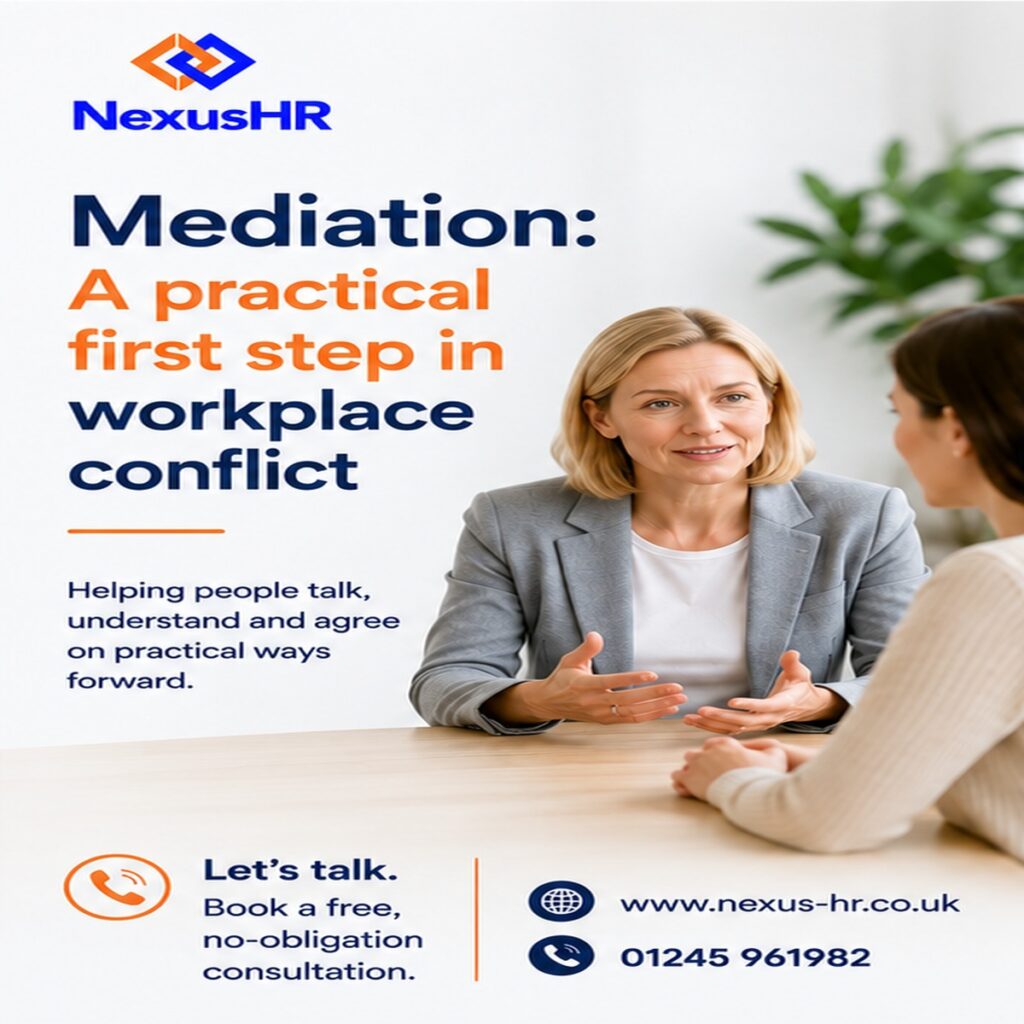
Mediation involves acting as an unbiased third-party who helps facilitate discussions between conflicting parties. Mediation and negotiation are essential skills for HR professionals to possess in order to effectively resolve conflicts within the workplace. These skills involve facilitating communication between conflicting parties, finding common ground, and reaching mutually beneficial solutions.
Problem-solving strategies
Problem-solving is an essential skill for any HR professional to have, as it allows them to effectively identify and address conflicts in the workplace. When conflicts arise between employees or between employees and management, it is the responsibility of HR professionals to find a resolution that benefits all parties involved.
Identify the root cause – The first step in solving any conflict is identifying its underlying cause. This requires active listening and gathering information from all parties involved. HR professionals should ask open-ended questions and encourage individuals to express their concerns and perspectives without judgment. By understanding the root cause of a conflict, HR professionals can develop more effective solutions.
Encourage communication – Communication breakdowns are often at the heart of workplace conflicts. As such, developing strategies that promote open communication can help prevent conflicts before they arise or resolve existing ones. Some techniques include establishing regular check-ins with team members, encouraging feedback through surveys or suggestion boxes, and fostering a culture of respect where everyone feels comfortable speaking up.
Collaborate on solutions – HR professionals should collaborate with both sides of a conflict to come up with potential solutions that meet everyone’s needs. This approach allows for greater buy-in from those involved and ensures that all perspectives are taken into account when designing a solution.
Conflict resolution skills are an indispensable asset for HR professionals in today’s dynamic workplace. As stewards of harmony and collaboration, HR practitioners must continually hone their abilities to navigate the complexities of human interactions. By embracing the principles of effective conflict resolution, such as active listening, empathy, and diplomacy, HR professionals can not only diffuse tense situations but also foster a culture of understanding and unity within their organisations. The mastery of these skills is not only a testament to their professional competence but also a vital step toward creating workplaces where employees thrive and reach their full potential. So, equip yourself with these invaluable tools, and you’ll find that managing conflicts can transform into an opportunity to drive positive change and elevate your role as an HR leader.